A 2-year-old research centre led by a scientist with 100+ publications and five researchers who left traditional academia to work on urban sustainability, cognition, and pedagogy — in Mangaluru and Mysuru.
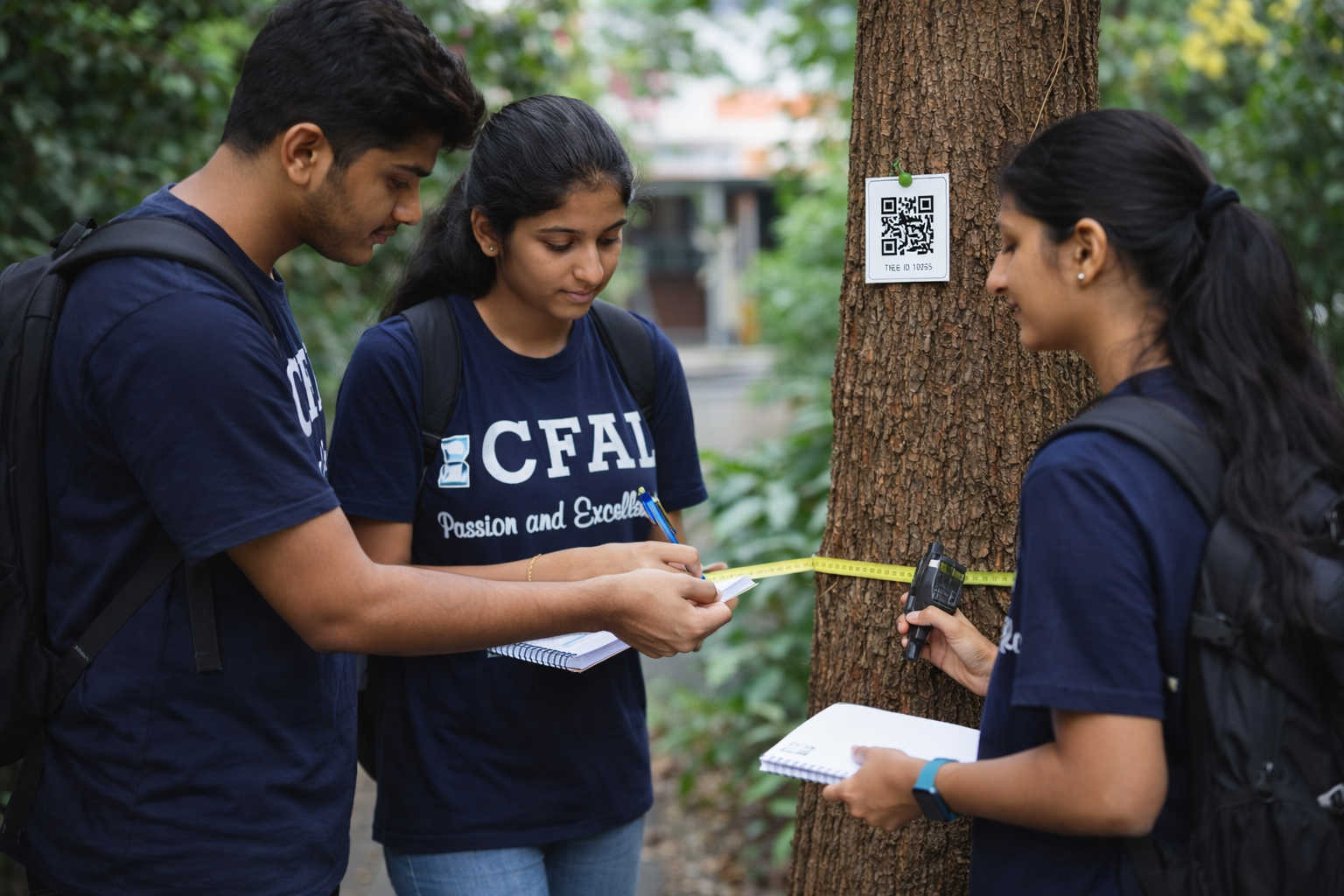
A partnership with Mysore Grahakara Parishat (MGP) and SDMIMD to conduct the first comprehensive tree census of Mysuru — using the "Mangalore Model" of digital auditing developed by CFAL. Every tree geotagged with species ID, GPS coordinates, canopy classification, and health status.
Why this matters: the methodology — geotagging, survival tracking, satellite validation — is replicable. If it works in Mysuru, it works in any Indian city. This census is both a research project and a proof of concept for national-scale urban forestry data.
Mangaluru's public green cover: 6.24%. Target: 30% by 2040. 11,000+ trees of 145 species planted and geotagged across 60 wards. 40,000 mangrove saplings at Adamkudru (Syngene CSR / Biocon Foundation). Digital auditing for transparency and survival tracking.
What makes this team unusual is not their current titles — it's where they came from. Each researcher brought deep expertise from a traditional academic field and redirected it toward applied sustainability and education. The "hidden expertise" is what makes the work rigorous.
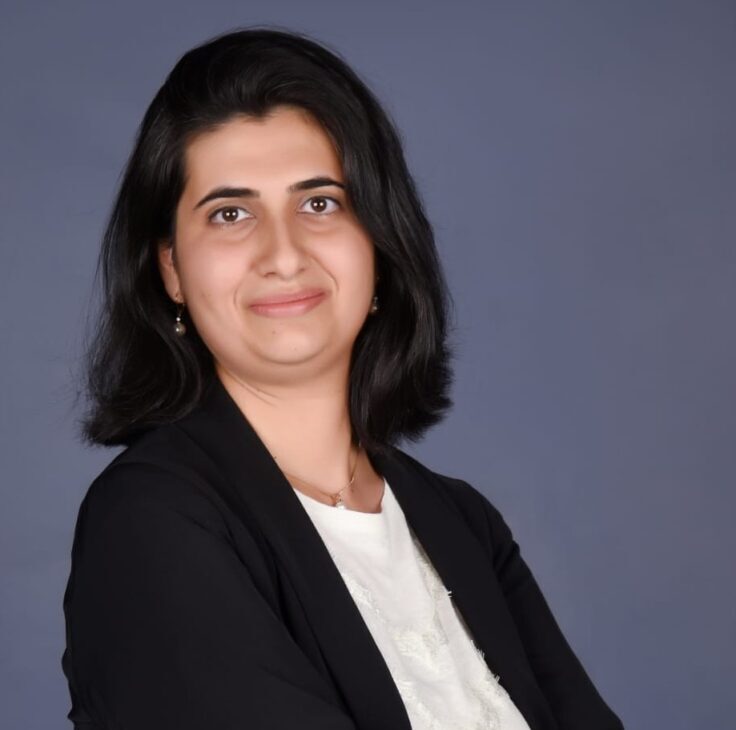
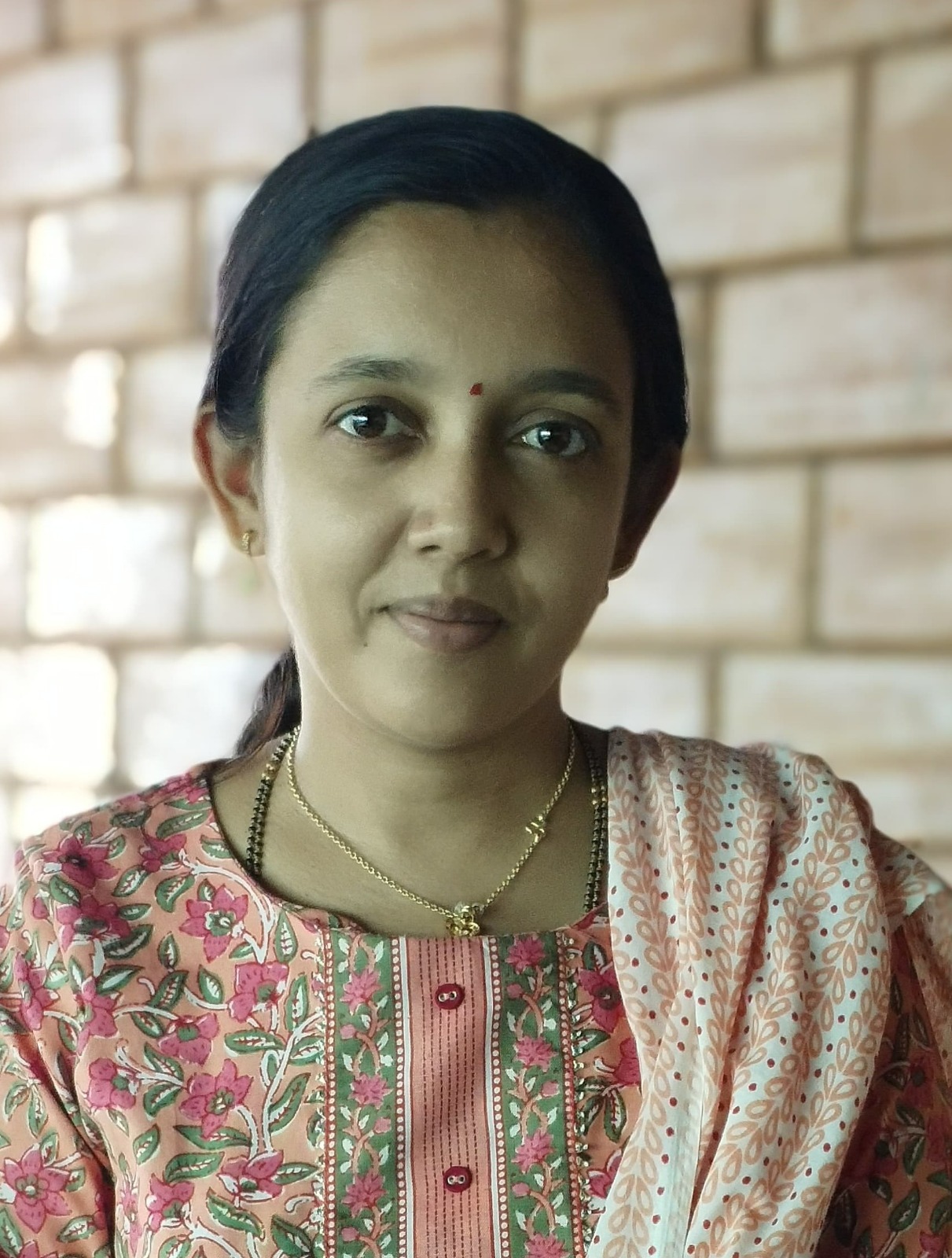
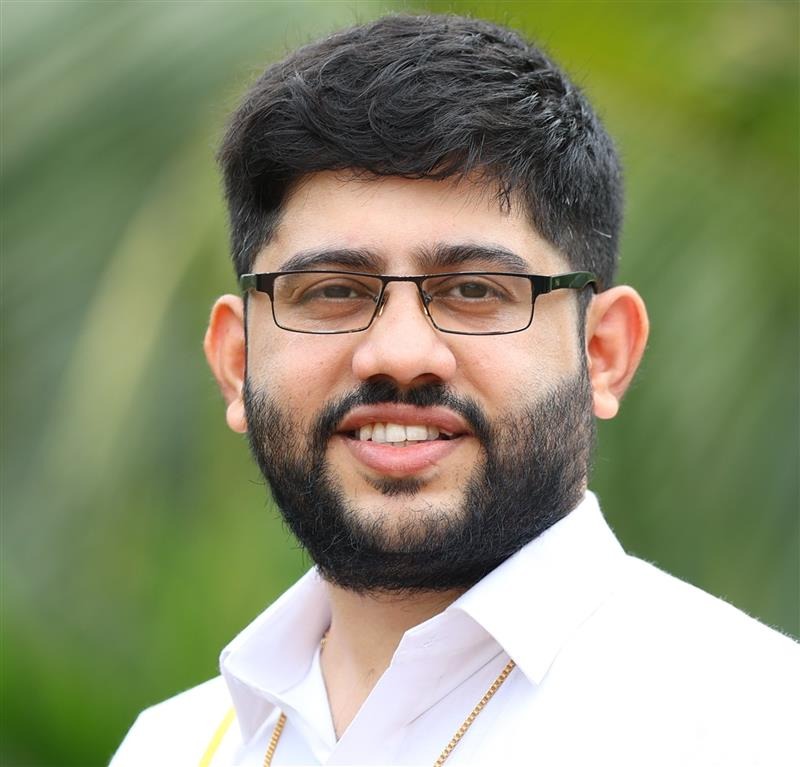
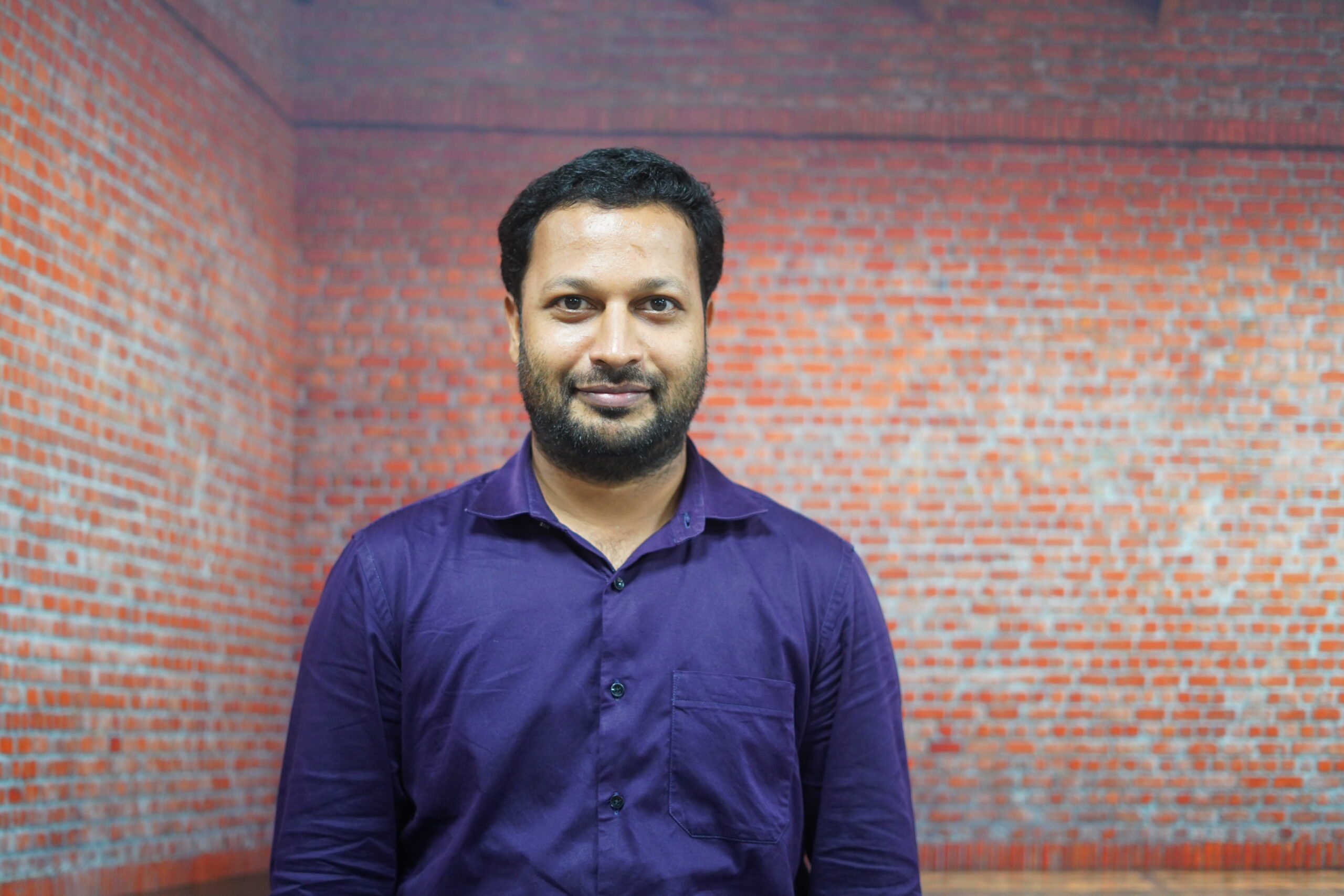
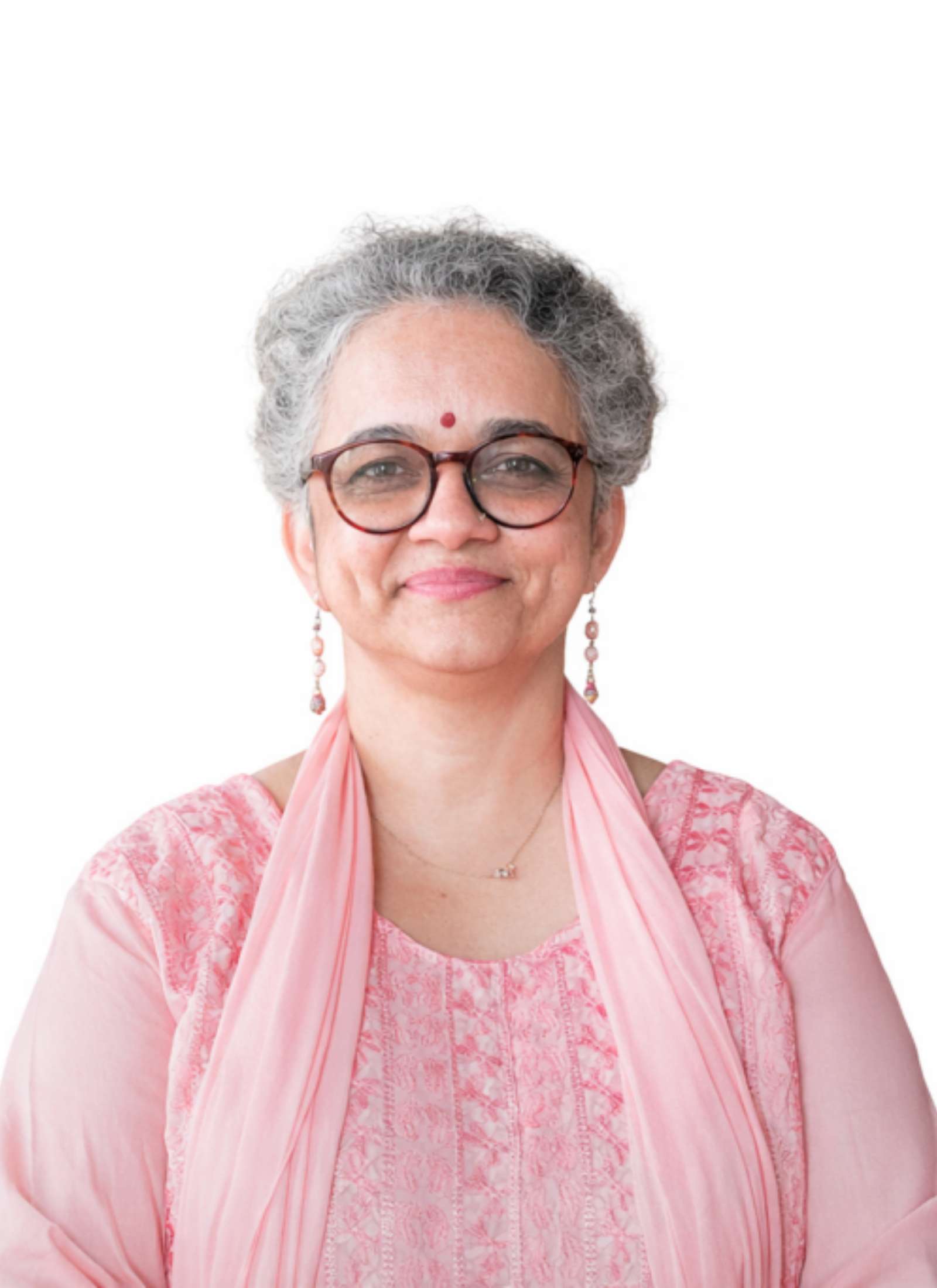
35+ years in botany and environmental biotechnology. 100+ peer-reviewed publications. Patents in plant biotechnology. Research in pteridology, phytoremediation, molecular ecology of the Western Ghats, and LEAFY gene evolutionary studies.
Dr. Hegde brings to CFAL a track record of funded research from India's leading science agencies. These grants were held at her previous institutional appointments. The expertise and methodology carry forward into the Research Centre's current work.
Molecular ecology of pteridophytes. Spore morphology catalogues. Climate-linked biodiversity assessment. Key species: Acrostichum aureum, Adiantum raddianum, Cyathea nilgirensis.
Lead biosorption using Pteris vittata. Mercury mitigation via Pityrogramma calomelanos. Radioactive metal bioprospecting.
Evolutionary studies of the LFY gene. Protein modelling (ExPASy ProtParam). Bioinformatics across plant lineages.
Flora documentation. Climate response monitoring. Endangered species cataloguing.
These are the research domains the CFAL Research Centre is building capacity in. Some are active (AMARA, tree census). Others are in early development. We name them honestly — as directions, not claims.
AMARA tree planting and digital auditing. Mysuru tree census. Satellite + AI tree cover identification. Species selection for climate resilience. The "Mangalore Model" of urban green cover restoration.
Groundwater quality mapping. Chemical pollutant distribution. Applying neuroscience-grade quantitative methods to environmental data.
Fluid dynamics applied to urban systems — water flow, air circulation, heat islands, pollutant dispersion. Mathematical modelling for sustainability planning.
How children learn in Indian contexts. Nature Perspectives Curriculum (K-12). Student Coach App. Longitudinal STEM performance data. Cognition Conference: October 2026.
Sustainability, education & cognition. Scholars on live projects. AU affiliation in progress. 2–3 scholars in Year 1. Quality over quantity.
Dr. Hegde's pteridology and phytoremediation expertise applied to Western Ghats conservation and Mangaluru's coastal ecosystems. Herbarium development. Coastal field station.
We're looking for: PhD scholars (sustainability, education, cognition), research collaborators, visiting scientists, field volunteers, and organisations interested in the "Mangalore Model" of urban greening.