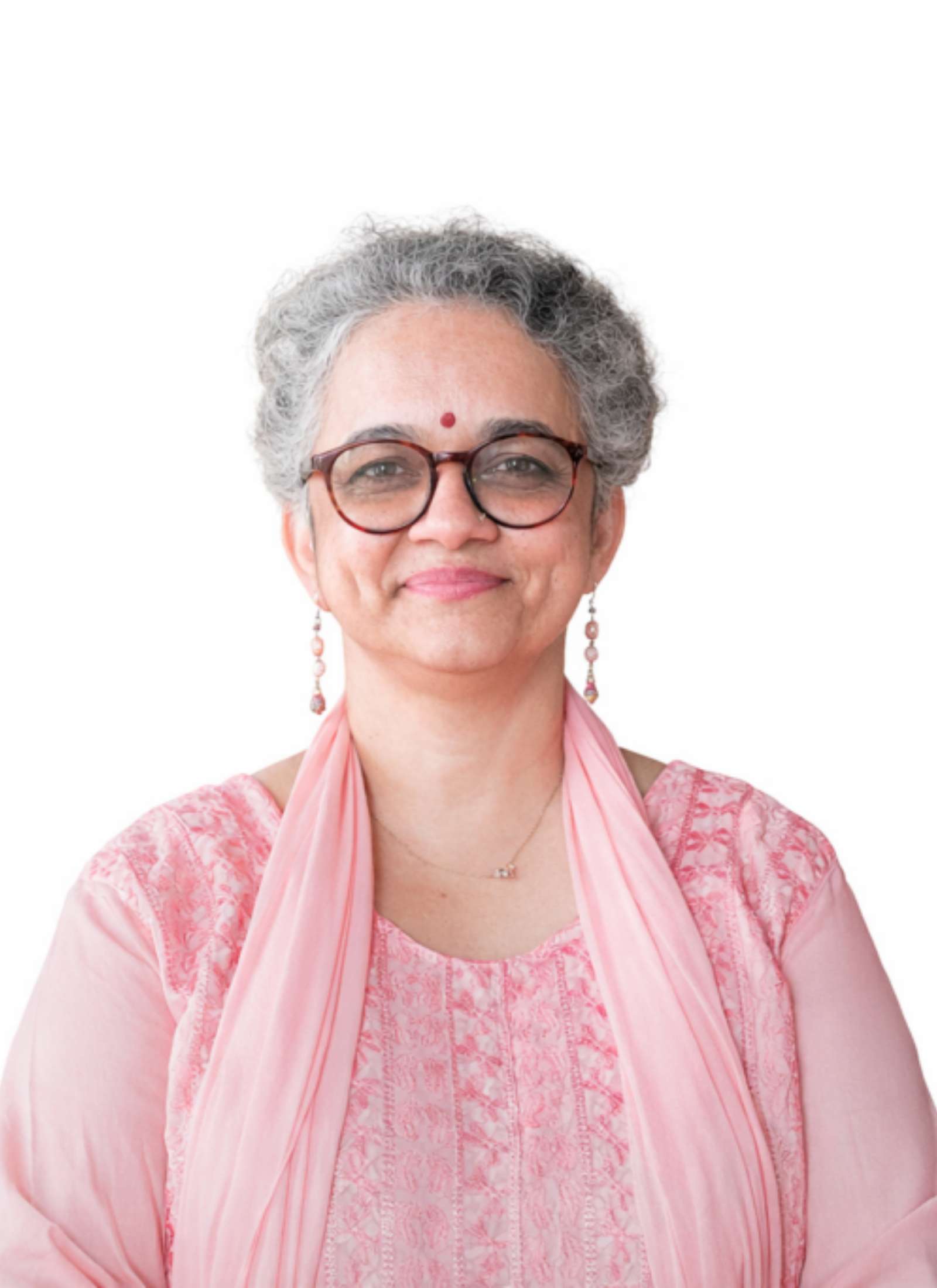
Prof. Dr. Smitha Hegde is a botanical scientist with over 35 years of experience in environmental biotechnology, pteridology, and molecular ecology. She has authored over 100 peer-reviewed publications and holds patents in plant biotechnology.
Her research has focused on the molecular ecology of pteridophytes (ferns) in the Western Ghats — one of the world's 36 biodiversity hotspots — and on phytoremediation, using plants to clean contaminated water and soil of heavy metals including lead, mercury, and radioactive metals.
At CFAL, she directs the Research Centre's work across urban sustainability (AMARA initiative), coastal ecology (field station), pedagogy research, and the emerging PhD programme. She brings to the centre a track record of funded research from BRNS, DST, UGC, VGST, and BIAL.
Increasing Mangaluru's public green cover from 6.24% to 30% by 2040. 11,000+ trees of 145 species geotagged. Digital auditing methodology.
Partnership with MGP and SDMIMD. Applying the "Mangalore Model" to Mysuru's 60 wards.
Long-term ecological monitoring. 30,000+ mangroves restored at Adamkudru. Inaugurated by Dr. Sharachchandra Lele (ATREE).
Sustainability, Education & Cognition. AU affiliation in progress. 2-3 scholars target for 2026-27.
Grants held at previous institutional appointments. Expertise and methodology carry forward to CFAL.
Bioprospecting ferns for heavy and radioactive metal remediation
Environmental biotechnology and plant molecular biology
Phytoremediation of heavy metals using Brassica juncea and Nephrolepis
Sustainable technologies for heavy metal pollution in changing environments
Biodiversity assessment and flora documentation (40,000+ trees mapped)
Full publication list will be linked from Dr. Hegde's Google Scholar profile once available.